
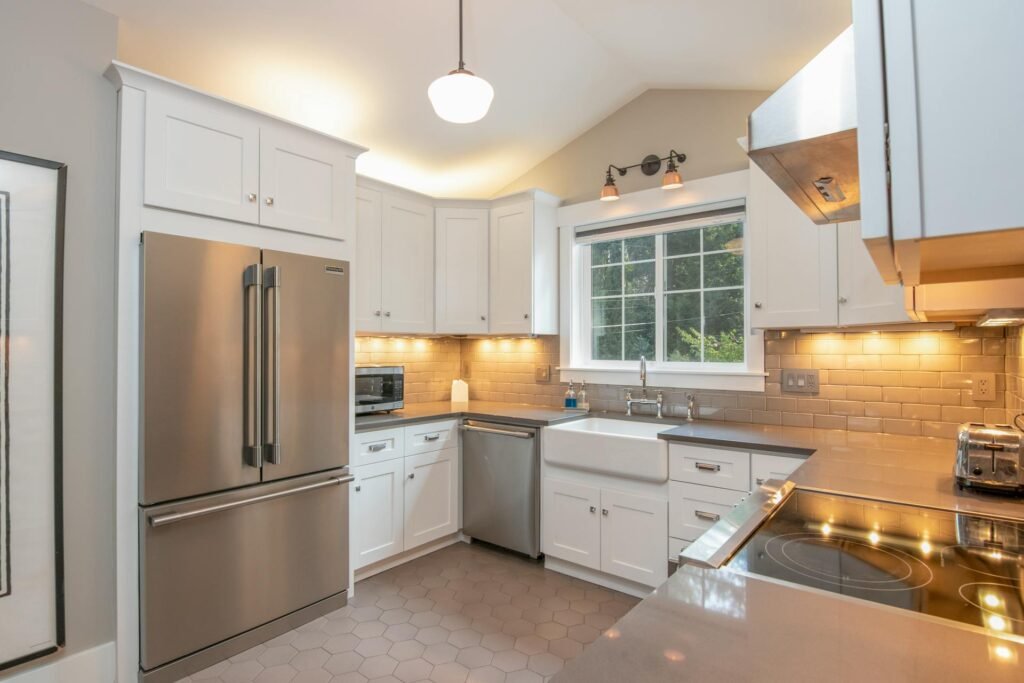
How Colors and Layout Shape Mood, Comfort, and Daily Living
The kitchen is more than just a place to cook. It is often the heart of the home, where families gather, conversations happen, and daily routines begin and end. Because of this, the way a kitchen looks and feels can have a powerful effect on mood, energy, appetite, and even behavior. That is where the psychology of kitchen colors and design becomes so important.
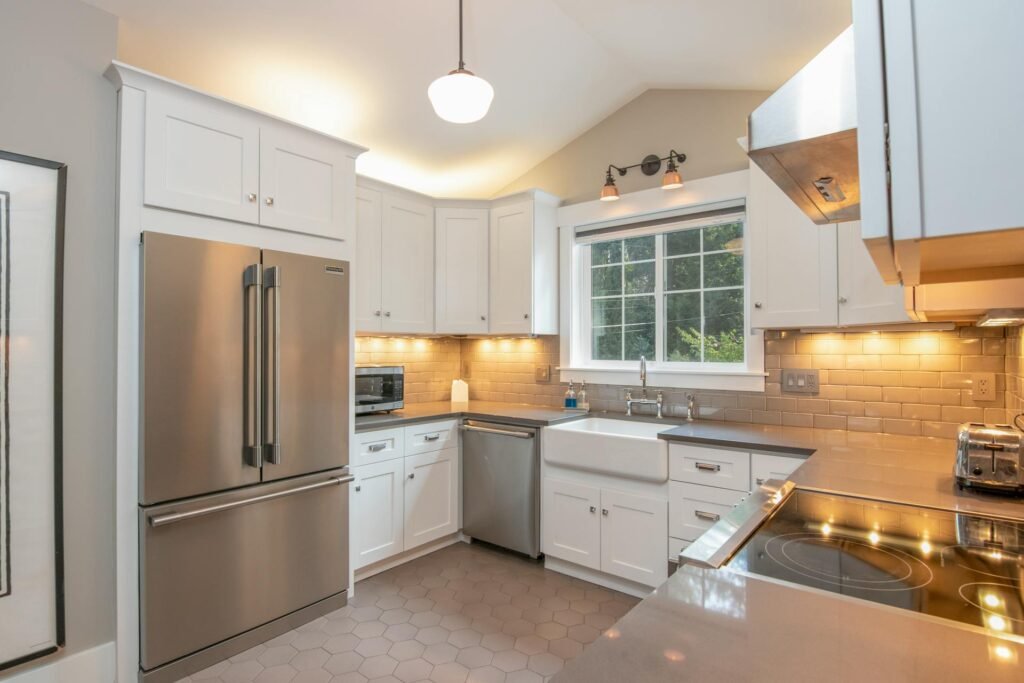
Many homeowners choose paint colors, cabinets, and décor based only on style trends, but color and design choices can influence how welcoming, calm, spacious, or energizing a kitchen feels. Whether you are planning a full renovation or simply refreshing your space, understanding how kitchen colors affect mood can help you create a kitchen that fits your lifestyle and supports the atmosphere you want at home.
Why Kitchen Color Psychology Matters
Color psychology is the study of how colors influence emotions and behavior. In interior design, this idea plays a major role because different shades can create different feelings. In a kitchen, color can affect more than appearance. It can shape how comfortable the room feels, how large it appears, and how enjoyable it is to cook and spend time there.
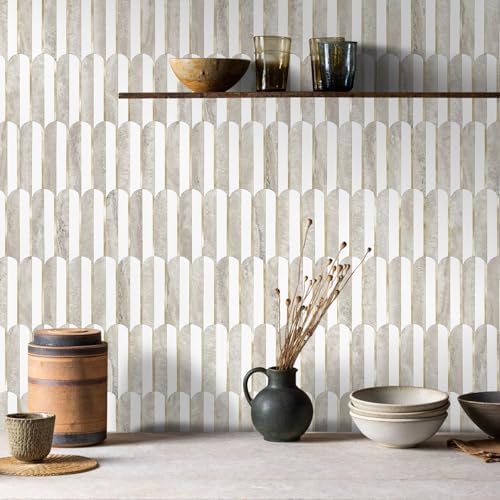
- Premium Materials:Made of PVC composite laminate, anti-scratch, high impact, color fadeless, more durable and stronger t…
- Strong Adhesive:Stronger backing glue than ordinary vinyl peel and stick backsplash tile,can be easily installed over ex…
- Waterproof & Heat resistant:Seamless design prevent the water getting into the gap and easy to wipe and remove stains, p…
The psychology of kitchen colors matters because the kitchen is one of the most used rooms in the home. A poorly designed kitchen may feel stressful, cramped, or cold, while a well-designed one can feel warm, inviting, and highly functional.
The right design choices can help create:
- A calming environment
- A more social and welcoming atmosphere
- Better focus while cooking
- A sense of cleanliness and order
- A visually larger and brighter kitchen
When combined with smart layout decisions, color can completely transform the kitchen experience.
Warm Colors in Kitchen Design
Warm colors are often associated with energy, comfort, and appetite. These colors include red, orange, yellow, and warm beige tones. Many designers use warm shades in kitchens because they create a lively and welcoming feel.
Red Kitchens
Red is a bold and stimulating color. It is often linked to energy, excitement, and appetite. This is one reason why red is sometimes used in restaurants and food branding. In a kitchen, red can create a vibrant and energetic atmosphere.
However, too much red may feel overwhelming in smaller kitchens. It works best as an accent color through accessories, bar stools, wall art, or backsplashes.
Yellow Kitchens
Yellow is cheerful, bright, and optimistic. It can make a kitchen feel sunny and friendly, even when natural light is limited. A soft yellow kitchen often feels cozy and welcoming, which is why it remains one of the classic options in kitchen color ideas for a happy home.
Pale yellow can work well in traditional kitchens, while mustard or golden tones can add personality in modern spaces.
Orange and Terracotta Tones
Orange is energetic and warm, but it is less common as a main kitchen color. Earthy orange, terracotta, and clay-inspired shades can add warmth without becoming too intense. These tones are ideal for homeowners who want a kitchen that feels grounded, cozy, and inviting.
Cool Colors in Kitchen Design
Cool colors are generally associated with calmness, freshness, and clarity. Common cool kitchen colors include blue, green, gray, and soft white tones. These colors are often used in kitchens where the goal is to create a peaceful and clean atmosphere
Blue Kitchens
Blue is known for its calming effect. It can make a kitchen feel fresh, quiet, and sophisticated. Light blue shades are especially popular in coastal, farmhouse, and airy kitchen designs.
Interestingly, blue is sometimes considered appetite-suppressing, so it may create a cleaner and more relaxing feeling rather than a warm, food-focused atmosphere. For that reason, blue works especially well in kitchens where style and calmness are the priority.
Green Kitchens
Green is one of the best colors for a kitchen because it is associated with nature, freshness, balance, and health. It creates a soothing atmosphere while still feeling warm and livable. Soft sage green, olive green, and muted eucalyptus tones are especially popular in modern kitchen design.
For homeowners looking for kitchen colors that create a calm atmosphere, green is one of the strongest choices.
Gray Kitchens
Gray has become a major trend in modern interiors because it feels elegant, neutral, and versatile. In a kitchen, gray can create a refined and contemporary mood. Lighter gray shades feel soft and balanced, while darker charcoal tones add drama and depth.
However, too much gray may feel cold if not balanced with warm wood, lighting, or metallic accents.
Neutral Kitchen Colors and Their Emotional Effect
Neutral kitchens remain popular because they feel timeless, clean, and flexible. White, beige, cream, greige, and soft taupe are common neutral colors used in kitchen design.
White Kitchens
White kitchens are often associated with cleanliness, simplicity, and brightness. They can make a small kitchen look larger and reflect natural light beautifully. This is one reason why white remains a top choice in small kitchen color design ideas.
A white kitchen can also feel calm and modern, but if it lacks texture or contrast, it may appear sterile. Adding wood accents, warm lighting, or textured surfaces helps create a more comfortable feeling.
Beige and Cream Kitchens
Beige and cream tones create warmth and softness. These colors feel more relaxed than pure white and can make a kitchen feel timeless and elegant. They are ideal for homeowners who want a kitchen that feels cozy without becoming too dark or colorful.
These shades are often used in warm neutral kitchen design because they combine brightness with comfort.
How Design Layout Affects Kitchen Psychology
Color is only one part of the emotional experience. Layout and design choices also influence how a kitchen feels. The psychology of kitchen design includes factors such as space, lighting, movement, organization, and visual balance.
Open and Airy Layouts
Open kitchen layouts often feel more social and welcoming. They encourage conversation and connection, especially in homes where the kitchen flows into the dining or living area. This type of design supports family interaction and makes the home feel more connected.
Clutter-Free Design
A cluttered kitchen can increase stress and reduce enjoyment. Clean surfaces, smart storage, and organized zones create a more peaceful atmosphere. Minimalist kitchen design often feels mentally calming because it reduces visual overload.
Natural Light


Natural light plays a major role in mood. A bright kitchen often feels larger, healthier, and more uplifting. Light-colored walls and reflective materials can increase brightness and improve the overall emotional effect of the room.
the psychology of kitchen
Materials and Texture
Kitchen psychology is also influenced by materials. Wood brings warmth and comfort. Metal adds a sleek and modern look. Stone feels grounded and luxurious. Soft textures and natural finishes can make the kitchen feel more welcoming and less clinical.
Choosing the Right Kitchen Color for Your Lifestyle
The best kitchen color is not the same for everyone. It depends on your lifestyle, cooking habits, home style, and the emotional effect you want from the space.
Ask yourself:
- Do you want the kitchen to feel energetic or calm?
- Is your kitchen large or small?
- Does it get a lot of natural light?
- Do you prefer modern, rustic, classic, or minimalist design?
- Will the kitchen be mostly used for cooking, entertaining, or family gatherings?
For example:https://amzn.to/4dA14a7
- If you want a bright and cheerful kitchen, yellow or soft white may work well.
- If you want a peaceful, elegant space, green or light gray may be better.
- If you want a warm and social feeling, beige, terracotta, or warm wood tones may be ideal.
Understanding how to choose the best kitchen color for your home helps you design a space that looks beautiful and feels right every day.
Popular Kitchen Color Combinations
Many of the best kitchens use a mix of tones rather than a single color. Balanced combinations often create a richer and more intentional design.
Popular combinations include:https://marketoza.site/
- White and wood for warmth and brightness
- Sage green and brass for a calm, upscale feel
- Gray and white for a modern clean look
- Navy blue and gold for elegance
- Beige and black for contrast and sophistication
These combinations work well because they balance emotion, function, and style.
Ready to transform your space with the best kitchen colors for mood and design ? Whether you want a calm and welcoming space, a brighter room, or a more modern layout, understanding the psychology of kitchen colors and design can help you make smarter choices. Explore ideas for how kitchen colors affect mood, find the best kitchen color combinations for home interiors, and create a kitchen that feels stylish, balanced, and truly comfortable every day.
Final Thoughts
The psychology of kitchen colors and design is about much more than decoration. Color, light, layout, and material choices all affect how your kitchen feels and how you experience it every day. A thoughtful kitchen design can make your home feel warmer, more peaceful, more functional, and more inviting.
Whether you love the bright freshness of white, the natural calm of green, the comfort of beige, or the energy of yellow, the right choice is the one that supports your daily life and reflects your personal style.
When you understand how kitchen colors affect mood and design, you can create a space that is not only beautiful but also emotionally supportive and practical for everyday living.
إ