
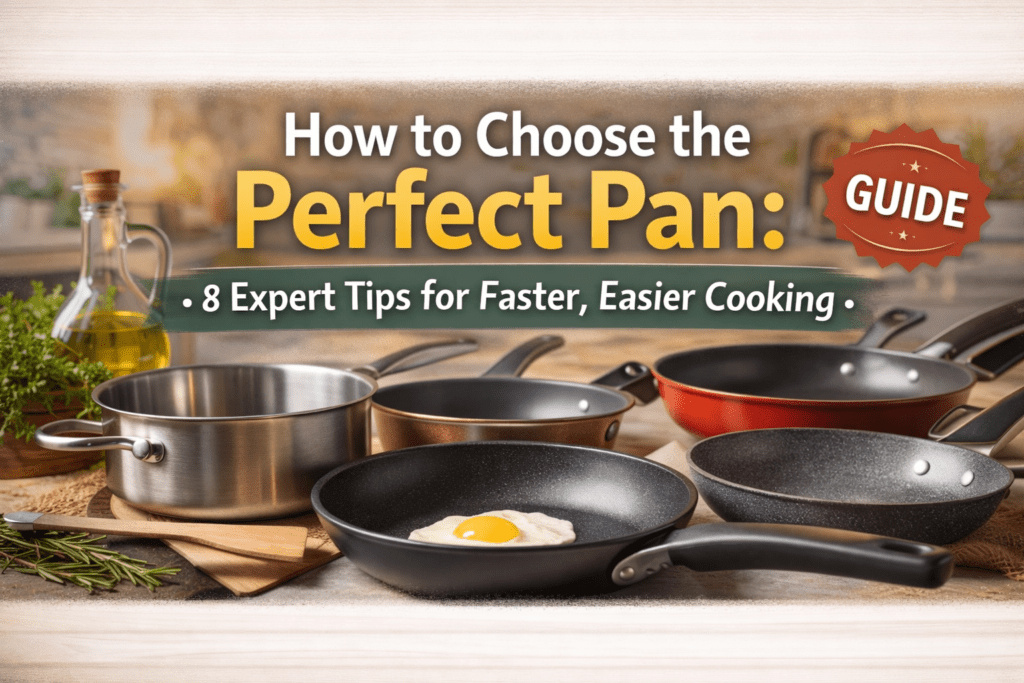
Non-Stick Pans: Which One Should You Choose ?
Non-stick pans have become an essential part of modern kitchens. Whether you’re frying eggs, cooking pancakes, sautéing vegetables, or preparing delicate sauces, a good non-stick pan makes cooking easier, faster, and healthier.
But with so many types available today — ceramic, traditional non-stick, reinforced coatings, and eco-friendly options — choosing the right one can be confusing.
If you’re wondering which non-stick pan is best for your kitchen, this guide will walk you through the differences, benefits, and drawbacks of each type so you can make the right choice based on your cooking style and needs.
Why Non-Stick Pans Matter
The biggest advantage of non-stick cookware is convenience. Food releases easily from the surface, meaning
- You use less oil
- Cleaning becomes effortless
- Cooking delicate foods becomes easier
In addition, modern non-stick pans are designed to improve heat distribution and cooking efficiency. However, not all non-stick coatings are the same — and choosing the wrong one can lead to quick wear, poor performance, or even health concerns.
That’s why understanding the different types of non-stick pans is important before making a purchase.
1. Ceramic Non-Stick Pans
Ceramic-coated pans are among the most popular choices today, especially for health-conscious cooks.
These pans use a mineral-based coating instead of traditional chemical coatings.
Benefits:
- Free from PFOA and PTFE
- Eco-friendly manufacturing
- Requires less oil for cooking
- Smooth and modern appearance
Ceramic pans are ideal for low to medium heat cooking and are perfect for everyday meals like eggs, vegetables, and fish.

- Optimal storage and easy stacking with the handles off saves up to 70% more space of Carote detachable handle pots and p…
- For a Fuss-free Cleaning: Cleanup with ZERO elbow grease thanks to the non stick ability. As both a cookware set and a d…
- Multitaskig Cookware Set: Removable handle for the ultimate versatility– go from ALL kinds of stoves to the oven, to the…
Drawbacks:
While ceramic pans are considered safer and more environmentally friendly, they may lose their non-stick properties faster than other types if not properly maintained.
👉 Best for: Light cooking and healthy lifestyles
2. Traditional PTFE Non-Stick Pans
This is the classic non-stick option most households are familiar with.
Modern PTFE pans are much safer than older versions and are widely used due to their excellent performance and affordability.
Benefits:
- Superior food release
- Budget-friendly
- Ideal for beginners
- Easy to find
These pans are great for cooking foods that tend to stick, such as pancakes or omelets.
Drawbacks:
They require careful use:
- Avoid overheating
- Use non-metal utensils
- Avoid abrasive cleaning tools
If used properly, they can last a long time and perform very well.
👉 Best for: Everyday cooking on a budget
3. PFAS-Free Non-Stick Pans
A newer category in the cookware world, PFAS-free pans are designed for those seeking safer alternatives without sacrificing performance.
Benefits:
- Free from potentially harmful chemicals
- Improved scratch resistance
- Durable coating
- Suitable for daily use
These pans are often marketed as eco-conscious and health-focused, making them a great middle-ground option.
Drawbacks:
They may be slightly more expensive than traditional non-stick pans.
👉 Best for: Daily use with added peace of mind
4. Reinforced or Hybrid Non-Stick Pans
Hybrid pans combine non-stick coating with materials like stainless steel or titanium reinforcement.
These are premium options built for durability and performance.
Benefits:
- Excellent heat distribution
- Scratch resistance
- Longer lifespan
- Handles higher cooking temperatures
These pans are ideal for people who cook frequently and want something that will last for years.
Drawbacks:
They are typically more expensive than standard options.
👉 Best for: Serious home cooks
Key Factors to Consider When Choosing a Non-Stick Pan
Choosing the right pan depends on how you cook
Cooking Style
If you cook occasionally, a ceramic or traditional non-stick pan may be enough.
If you cook daily, a reinforced or PFAS-free option may be a better investment.
Heat Usage
Some coatings handle high heat better than others.
- Low to medium heat → Ceramic
- Medium to high heat → Reinforced
Durability
If longevity is important, hybrid pans tend to last longer than standard coatings.
Health Preferences
Those concerned about chemical coatings may prefer ceramic or PFAS-free options.
Budget
Each category fits a different price range:
- Budget → PTFE
- Mid-range → PFAS-free
- Premium → Hybrid
Tips to Extend the Life of Your Non-Stick Pan
No matter which type you choose, proper care is essential.
To maximize lifespan:
- Avoid high heat
- Use wooden or silicone utensils
- Wash by hand instead of dishwasher
- Avoid stacking without protection
Simple habits can double the life of your cookware.
Final Thoughts
There’s no one-size-fits-all answer when it comes to choosing the best non-stick pan.
The right choice depends on your cooking habits, priorities, and budget.
If you prioritize health → choose ceramic
If you want affordability → traditional non-stick works well
If you want durability → go for reinforced
If you want balance → PFAS-free is ideal
Investing in the right non-stick pan can improve your cooking experience, reduce cleanup time, and make everyday meals more enjoyable.
Choosing wisely today means better cooking tomorrow.