
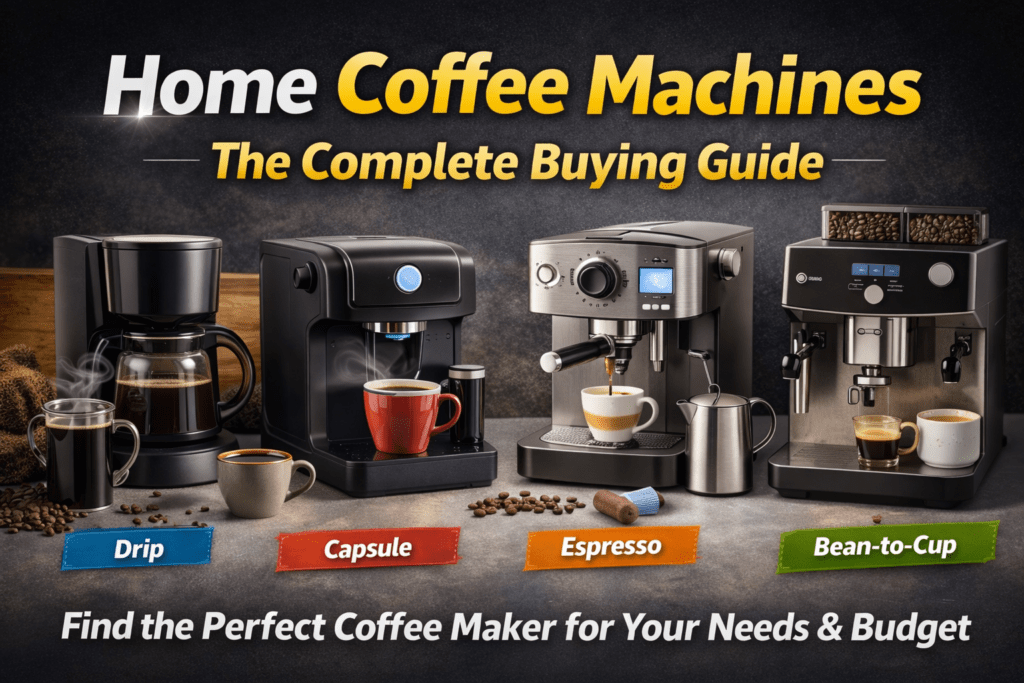
Understanding the Different Types of Home Coffee Machines
When it comes to brewing coffee at home, the variety of coffee machines available can be quite overwhelming. Each type of home coffee machine has its own unique features, advantages, and drawbacks, catering to different preferences and brewing styles.
First on the list is the drip coffee maker. This is one of the most popular types of coffee machines due to its simplicity and convenience. Typically, they are designed to brew multiple cups of coffee at once, making them perfect for households or entertaining guests. Drip coffee makers allow you to set a timer, ensuring that your coffee is ready right when you want it. Moreover, many modern models come with settings to customize brew strength and temperature.


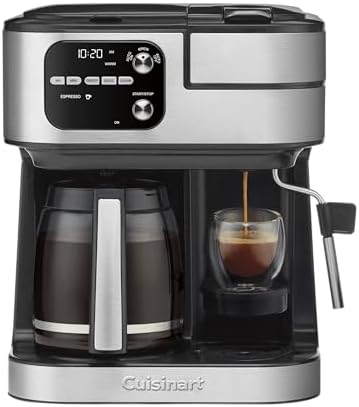

Espresso machines are another popular choice, particularly among coffee enthusiasts. These machines utilize high pressure to force hot water through finely-ground coffee beans, resulting in a concentrated coffee shot known as espresso. For those who enjoy various coffee-based drinks, such as lattes or cappuccinos, investing in an espresso machine can be highly rewarding, as they often come equipped with features that support milk frothing.
Single-serve pod machines have surged in popularity due to their ease of use and quick brewing time. These machines use pre-packaged coffee pods, allowing users to brew a single cup with minimal cleanup. While they offer convenience, it’s important to consider the cost of purchasing pods and the environmental impact they may have.
Lastly, the French press, also known as a press pot, is favored for its simplicity and ability to extract rich flavors from coffee beans. It allows for a hands-on brewing experience, where users can control the steeping time and temperature. French presses are compact and do not require electricity, making them an excellent option for travel or outdoor activities.
Key Features to Consider When Buying a Coffee Machine
When choosing a coffee machine, there are several essential features that should be evaluated to ensure it meets your specific brewing habits and preferences. One of the most important aspects to consider is brew strength control. This feature allows users to adjust the intensity of the coffee being brewed, accommodating different taste preferences. For individuals who like their coffee strong, a machine with variable brew strength settings can enhance the overall experience.
Another critical factor is the water capacity of the coffee machine. Machines come in various sizes, and selecting one that matches your consumption demands is crucial. Larger machines typically offer a higher water reservoir, allowing for multiple cups of coffee to be brewed without the need for frequent refills. If you entertain guests regularly or consume coffee throughout the day, a model with a larger capacity may be beneficial.https://amzn.to/3MDV1pY
Ease of cleaning is another aspect that should not be overlooked. Coffee machines with removable parts and dishwasher-safe components save time and effort during maintenance. Additionally, look for machines that feature a self-cleaning function, as this simplifies the cleaning process and ensures that the machine remains in optimal condition.
Programmable settings can significantly enhance convenience for users with busy schedules. Machines that allow users to schedule brew times, adjust temperature settings, or even control strength through a smartphone app can streamline your morning routine. Moreover, certain coffee machines come equipped with advanced features like built-in grinders or milk frothers. These add-ons can expand your coffee options and elevate your home brewing experience.
Budgeting for Your Home Coffee Machine Purchase
When considering the purchase of a home coffee machine, it is essential to have a clear budget in mind. The price range for coffee machines can vary significantly, starting from budget-friendly options available for as low as $20 to high-end models that can exceed $1,000. The initial cost can often reflect the machine’s quality, features, and build durability. For those new to coffee brewing, there are numerous affordable machines that offer basic functionalities without compromising on quality, allowing for an enjoyable brewing experience.
Investing in a higher-end coffee machine, however, may provide substantial long-term value. These premium models tend to feature advanced technologies, better quality materials, and extended warranties which can lead to enhanced brewing consistency and durability over the years. A robust warranty can indicate the manufacturer’s confidence in the product, often covering repairs or replacements under specified conditions.
Moreover, when evaluating the cost of a home coffee machine, one must consider the savings associated with brewing coffee at home compared to frequent visits to cafés. With the average cost of a specialty coffee drink ranging from $4 to $5, users could save significantly over time by making their beverages at home. This habit can easily justify the initial investment in a quality machine, as you can enjoy numerous cups without continual expenditures that can accumulate quickly.
Overall, it is essential to assess your personal coffee preferences, brewing habits, and budget constraints while choosing the right coffee machine. Remember that the best machine for you will provide a balance between upfront costs, features that suit your brewing style, and longevity, ultimately delivering great value over its lifespan.
Maintenance and Care for Your Coffee Machine
To ensure the longevity and optimal performance of your home coffee machine, it is crucial to adopt a consistent maintenance and care routine. Regular upkeep not only enhances the taste of your brewed coffee but also prevents costly repairs in the future. One essential aspect of maintaining a coffee machine is descaling. Over time, mineral deposits from water can build up, obstructing the internal mechanisms and affecting the brewing process. It is recommended to descale your coffee maker every one to three months, depending on water hardness and usage frequency. Using a commercial descaling solution or a mixture of vinegar and water can effectively remove these deposits.
Another critical maintenance practice is cleaning the brew components. Most coffee machines comprise various parts, including the carafe, filter basket, and water reservoir. Cleaning these components regularly prevents oil and coffee residue buildup, which can lead to off-flavors in your coffee. Check the manufacturer’s instructions for specific cleaning guidelines, but a general rule of thumb is to wash the removable parts with warm, soapy water after each use. Additionally, cleaning the exterior of the machine and ensuring it is free from dust and spills will contribute to its overall longevity.
Replacing filters is yet another vital component of maintaining your coffee machine. Many models use water filters to improve the quality of brewing water. Over time, these filters can become saturated with contaminants and lose their effectiveness. Depending on the model and usage, it is advisable to replace these filters every two to three months to maintain optimal water quality.
Lastly, always consult the manufacturer’s care instructions tailored specifically to your model. Following these guidelines ensures that your home coffee machine remains in peak condition, allowing you to enjoy the perfect cup of coffee consistently.