
Learn how to choose healthy cookware for your home. Discover safe materials, non-toxic options, and tips for maintaining cookware.



Introduction
Cooking at home is healthier when you use safe, non-toxic cookware. With so many materials available, it can be overwhelming to choose the right ones. This guide will help you select healthy cookware that’s safe, durable, and easy to use.
Choosing the right cookware is one of the most important decisions for anyone who spends time in the kitchen. The pots and pans you cook with come into direct contact with your food every day, which means the materials they are made from can affect both your health and the quality of your meals. With so many options available—stainless steel, cast iron, ceramic, nonstick, and more—it can be confusing to know which cookware is the safest and most suitable for your home.
This beginner’s guide will help you understand healthy cookware materials, identify non-toxic options, and learn how to maintain your cookware so it lasts longer and keeps your food safe.
Why Healthy Cookware Matters
Many people focus on buying organic ingredients or eating balanced meals but overlook the cookware used to prepare that food. Some cookware materials can release harmful chemicals or metals when exposed to high heat, acidic foods, or scratches.
Healthy cookware should meet a few important standards:
- Non-toxic materials
- Stable under high heat
- Durable and long-lasting
- Free from harmful chemical coatings
Choosing safer cookware not only protects your health but also improves cooking performance and food flavor.
1. Stainless Steel Cookware
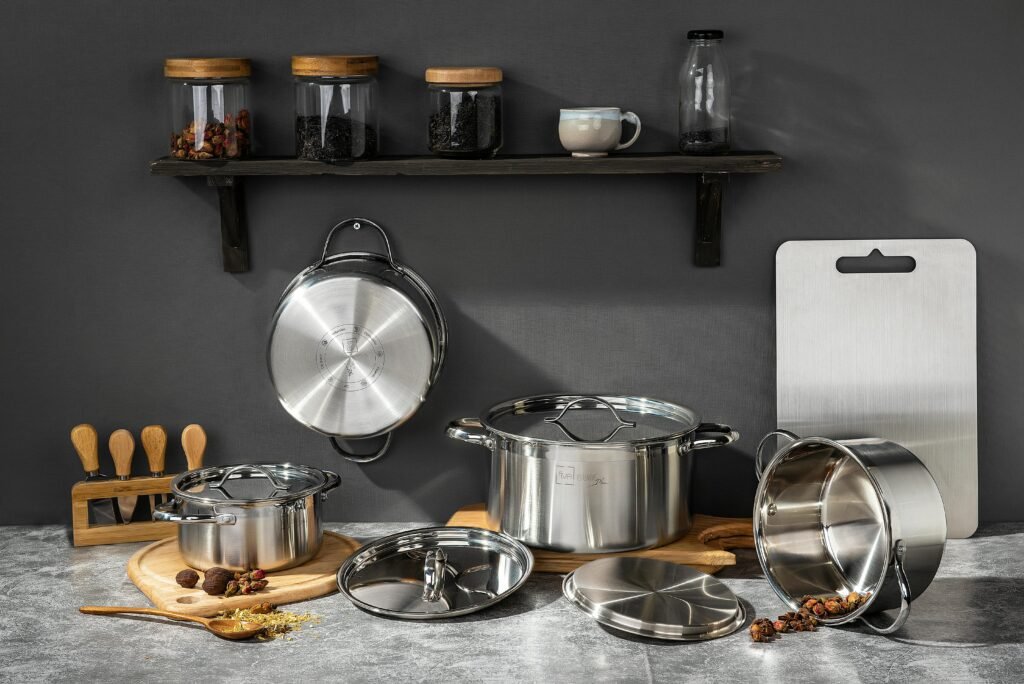
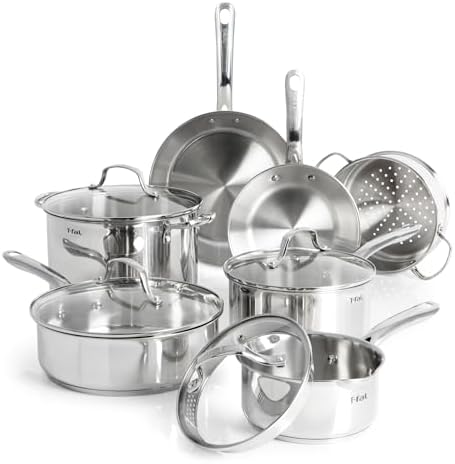
Stainless steel is non-reactive, meaning it won’t leach harmful chemicals into your food. It’s perfect for sautéing, boiling, and making sauces. Look for high-quality, 18/10 stainless steel for durability.
2. Ceramic Cookware
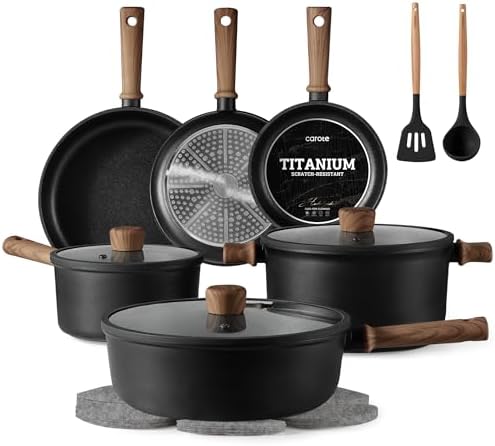
Ceramic cookware is naturally non-stick and free of PTFE and PFOA chemicals. It’s ideal for low-fat cooking and evenly distributes heat. Avoid cheap coatings that can chip easily.https://amzn.to/400G0lc
3. Cast Iron Cookware
Cast iron pans are excellent for searing and frying. They also add a small amount of iron to your diet. Make sure to season them properly to prevent rust and improve non-stick performance.https://amzn.to/4tq1ju5
4. Avoid Harmful Non-Stick Coatings
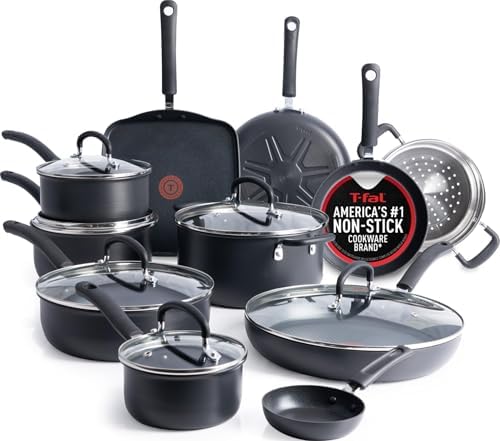
Many traditional non-stick pans contain PTFE or PFOA, which can release toxins when overheated. Opt for ceramic or well-seasoned cast iron alternatives instead.https://amzn.to/4qkFRnn
5. Maintenance Tips for Healthy Cookware
- Avoid metal utensils on non-stick surfaces
- Hand wash ceramic and cast iron pans
- Store cookware in a dry place to prevent rust

Conclusion
Choosing healthy cookware ensures your meals are both safe and nutritious. By investing in stainless steel, ceramic, or cast iron, you’ll enjoy cooking while protecting your health.
Use the Right Utensils
Metal utensils can scratch certain surfaces, especially ceramic or nonstick coatings. Silicone, wood, or nylon utensils are usually safer choices.
Clean Cookware Properly
Harsh cleaning tools like steel wool can damage cookware surfaces. Instead, use soft sponges and mild dish soap.
For stubborn food residue, soaking the pan in warm water can help loosen debris.
Season Cast Iron and Carbon Steel
Seasoning creates a natural nonstick surface and protects cookware from rust. This process usually involves coating the pan lightly with oil and heating it.
With regular seasoning, these pans can last for generations.
Building a Healthy Cookware Collection
You don’t need to replace all your cookware at once. A practical approach is to gradually build a collection of safe and durable pieces that cover your basic cooking needs.
A balanced cookware set might include:
- A stainless steel saucepan
- A cast iron skillet
- A ceramic or nonstick frying pan
- A large stainless steel stockpot
- A glass baking dish
This combination allows you to cook a wide variety of meals safely and efficiently.
Final Thoughts
Healthy cookware plays a bigger role in your kitchen than many people realize. The materials you choose can influence food safety, cooking performance, and the longevity of your kitchen tools. By understanding the differences between cookware materials and choosing high-quality options, you can create a safer and more enjoyable cooking environment.
Start with reliable materials like stainless steel, cast iron, or ceramic, and learn how to care for them properly. Over time, these durable and non-toxic choices will support healthier cooking habits and help you prepare delicious meals for years to come.