
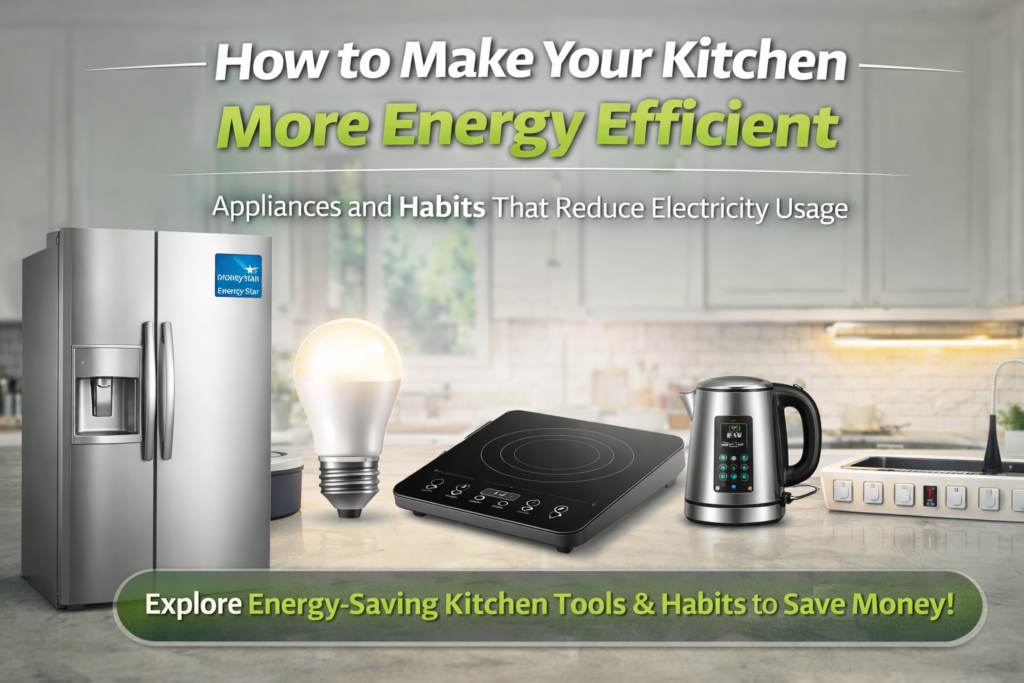
Appliances and Habits That Reduce Electricity Usage
Introduction
How to Make Your Kitchen More Energy
The kitchen is one of the most energy-intensive areas in a home. From ovens to refrigerators, cooking appliances can consume a lot of electricity. Fortunately, there are simple ways to make your kitchen more energy efficient, helping you save money on bills while reducing your environmental impact.
Saving energy in your kitchen doesn’t just lower your electricity bills—it also makes cooking easier and faster. By adopting energy-efficient appliances and simple daily habits, you can transform your kitchen into a smart, eco-friendly space.https://amzn.to/4boogWg
By adopting the right energy-saving kitchen habits and investing in energy-efficient appliances, you can drastically reduce electricity usage without compromising on convenience or cooking performance. In this guide, you’ll learn actionable tips and recommended products that help you create a greener, more efficient kitchen.
1. Choose Energy-Efficient Appliances
When replacing kitchen appliances, always look for energy-efficient models. Modern appliances consume far less electricity than older models.
Tips:
- Look for the Energy Star rating.
- Choose refrigerators and freezers with LED lighting.
- Opt for ovens and microwaves with convection technology for faster cooking.
Using energy-efficient kitchen appliances can save hundreds of dollars over their lifespan while reducing your household electricity consumption.
2. Use Appliances Wisely
Even energy-efficient appliances waste electricity if not used properly.
Energy-saving habits:
- Microwave vs Oven: Use the microwave for small meals instead of heating the oven.
- Full Loads Only: Run the dishwasher only when full to maximize energy use.
- Proper Temperature Settings: Keep your fridge at 37–40°F (3–4°C) and freezer at 0°F (-18°C).
These simple kitchen energy habits can significantly reduce electricity usage every month.
3. Optimize Refrigerator and Freezer Usage
Refrigerators and freezers run 24/7, making them one of the biggest energy consumers.
Tips:
- Keep doors closed as much as possible.
- Avoid storing hot food directly in the fridge.
- Defrost freezers regularly to maintain efficiency.
- Organize food so you can grab items quickly.

- 【Space-Saving & Generous Capacity】 Midea WHD-113FSS1 compact fridge with 18.5*19.37*32.95 inches(W*D*H) measurement and …
- 【Easy to Daily Use】The easily mechanical adjustable thermostats allow you to keep your chilled foods at their optimum te…
- 【Reversible Door & Interior Light】 The reversible door accommodates most kitchen layouts with a door that can open to th…
By practicing efficient fridge management, you can lower energy bills and keep your food fresh longer.
4. Switch to LED Lighting
Old incandescent or halogen lights consume more electricity and produce excess heat.
Energy-saving kitchen lighting tips:https://amzn.to/477NoPU
- Replace bulbs with LED lights.
- Use under-cabinet LED strips to light workspaces efficiently.
- Turn off lights when not needed.
LEDs not only reduce electricity usage but also produce less heat, keeping your kitchen cooler.
5. Use Smaller Appliances When Possible
Smaller appliances generally consume less energy than large ones.
Examples of energy-efficient alternatives:
- Electric kettles instead of boiling water on the stove
- Toaster ovens for small meals instead of a full-sized oven
- Hand blenders for quick mixing instead of using a full food processor
Adopting this habit is a key part of energy-efficient kitchen practices.
6. Cook Smarter
Smart cooking habits save energy and reduce electricity costs:
- Use lids on pots and pans to cook faster.
- Cook multiple meals together to make full use of oven heat.
- Batch boiling for pasta or vegetables reduces stove time.
These small tweaks are part of daily kitchen habits that reduce energy usage.
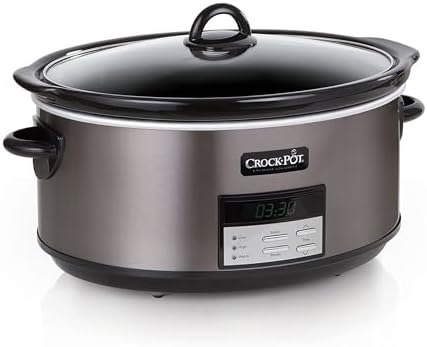
- Cooking Capacity: Prepares food for over 10 people, making it a holiday dinner hosting essential.
- Digital Timer: Counts down cooking time up to 20 hours for easy monitoring.
- Auto Warm: Automatically keeps food warm after cooking for optimal serving temperature.
7. Maintain Appliances Regularly
Energy efficiency declines when appliances are dirty or poorly maintained.
Maintenance tips:
- Clean refrigerator coils to improve cooling efficiency.
- Descale kettles and coffee machines.
- Regularly clean oven interiors and stovetops
- How to Make Your Kitchen More Energy
Proper maintenance keeps appliances running efficiently and saves electricity in the long term.
8. Unplug Idle Appliances
Many kitchen appliances draw power even when turned off (standby power).
Energy-saving tip:
- Unplug appliances like toasters, coffee makers, and slow cookers when not in use.
- Use power strips to switch off multiple devices at once.
This is a simple yet effective habit to reduce electricity consumption.
9. Invest in Smart Kitchen Gadgets
Smart devices can monitor and reduce energy consumption:
- Smart plugs to schedule appliance use
- Energy monitoring devices to track electricity usage
- Programmable slow cookers or coffee machines
Smart kitchen technology supports efficient energy management and saves money over time.
Conclusion
Making your kitchen more energy efficient doesn’t require major renovations. By combining energy-efficient appliances with smart daily habits, you can reduce electricity usage, lower your utility bills, and create a greener kitchen.
Start small: swap out incandescent bulbs for LEDs, unplug idle appliances, and cook smarter. Gradually incorporate more energy-saving habits and you’ll notice significant improvements in both energy efficiency and convenience.